

The Prophet Amos, mosaic detail, Florence Baptistery, 13th c.
Amos
Eighth-century shepherd and dresser of sycamore figs from Tekoa, sent to prophesy at Bethel against the prosperity and injustice of Jeroboam II’s Israel (Amos 1.1; 7.14–15).
Amos (Heb. ‘Amos, “burden-bearer”) is a Judean herdsman and tender of sycamore-fig trees from Tekoa, a village on the edge of the Judean wilderness about 16 km south of Jerusalem. Two years before a memorable earthquake, in the days of Uzziah of Judah and Jeroboam II of Israel — roughly 760 BC — the LORD “took him from following the flock” and sent him north to prophesy at the royal sanctuary of Bethel (Amos 1.1; 7.14–15). His message opens with seven oracles against Israel’s neighbours and then turns the indictment on Israel and Judah themselves: the rich tread upon the poor, sell the needy for a pair of sandals, recline on ivory couches, and worship at Bethel and Gilgal while ignoring justice (Amos 5.21–24). The priest Amaziah orders him out of the country; Amos replies that he is no professional prophet, only a herdsman called by the LORD (Amos 7.14). His five visions — locusts, fire, plumb-line, summer fruit, the LORD by the altar — culminate in the certainty of judgment, yet the book closes with a promise that the fallen booth of David will be raised up (Amos 9.11), a verse cited by James at the Jerusalem council (Act.15.16–17).
“Amos.” Atlas. Accessed 2026. https://fcbh-atlas.vercel.app/en/figure/amos
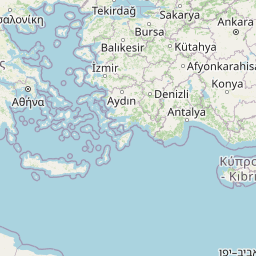
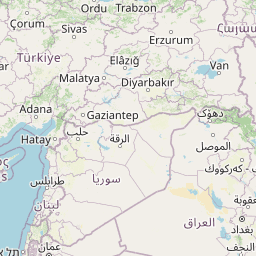
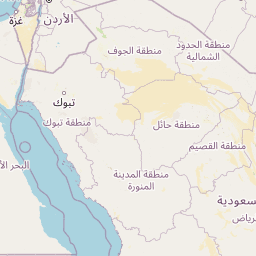
Map data © OpenStreetMap contributors, CARTO
- figureMary
Young Galilean woman, betrothed to Joseph the carpenter, who was visited by the angel Gabriel and bore Jesus C…
- figurePaul
Pharisee from Tarsus who persecuted the early church, then encountered the risen Jesus on the road to Damascus…
- mapPaul's first missionary journey
Paul's first journey, around AD 46–48. From Antioch in Syria to Cyprus, then across to southern Asia Minor and…
- figureJoel
Prophet of Judah, son of Pethuel. Used a devastating locust plague to summon the people to repentance and to a…
- figurePeter
Simon son of Jonah, fisherman of Bethsaida and Capernaum, called by Jesus at the lake of Galilee and renamed C…
- figureJohn, son of Zebedee
Galilean fisherman, son of Zebedee, brother of James the Greater; one of the inner three apostles, with Peter …