

Queen Esther, by Edwin Long, 1878
Esther
Jewish orphan raised by her cousin Mordecai in Susa, chosen queen of the Persian king Ahasuerus (commonly identified with Xerxes I, r. 486–465 BC) after Vashti’s deposition. When the courtier Haman secured a decree to exterminate the Jews of the empire,…
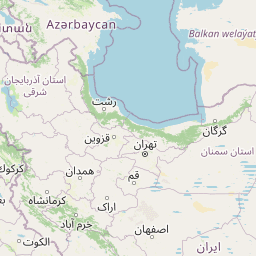
Esther (Hebrew Hadassah, “myrtle”; Persian Esther, perhaps from “star”) is the only book of the Hebrew Bible in which the name of God never appears. The action is set in Susa, the winter capital of the Persian empire, in the reign of Ahasuerus — the Hebrew form of the name Khshayārshā, almost certainly Xerxes I (486–465 BC). A Jewish girl among the deportees of an earlier generation, raised by her cousin Mordecai, Esther is taken into the royal harem during the search for a successor to the deposed queen Vashti and is herself chosen queen. When the courtier Haman the Agagite, offended by Mordecai’s refusal to bow, persuades the king to issue an irreversible decree against the Jews of the 127 provinces, Mordecai presses Esther to intervene: “who knows whether you have not come to the kingdom for such a time as this?” (Est.4.14). After a three-day fast she risks the throne room uninvited, secures the audience, and over two banquets exposes Haman, who is hanged on the gallows he had built for Mordecai. A second decree allows the Jews to defend themselves; the deliverance is celebrated as Purim, the festival of lots, on the 14th and 15th of Adar.
“Esther.” Atlas. Accessed 2026. https://fcbh-atlas.vercel.app/en/figure/esther
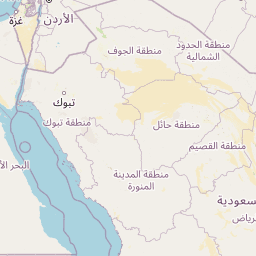
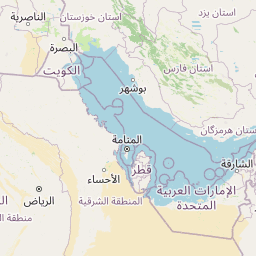
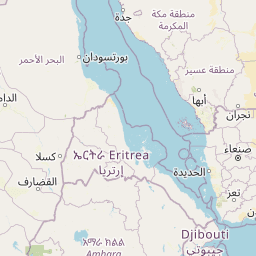
Map data © OpenStreetMap contributors, CARTO
