
Nehemiah
Cupbearer to the Persian king who wept at news of Jerusalem's broken walls, prayed, asked permission to rebuild, and organized the project under threat. The walls were finished in 52 days. He served twice as governor of Judah.
Nehemiah served as cupbearer to the Persian king Artaxerxes — a position of intimate access and high trust. When a relative arrived from Judah and reported that Jerusalem's walls were broken and its gates burned, Nehemiah wept, fasted, and prayed for days. In his prayer he confessed Israel's sins, claimed God's ancient promises, and asked for favor before the king. When the king noticed his sadness at table and asked what was wrong, Nehemiah prayed silently and asked for permission and resources to rebuild Jerusalem. Artaxerxes granted everything.
Nehemiah arrived in Jerusalem, surveyed the walls secretly at night without telling anyone his purpose, then called the leaders together: "Come, let us build the wall of Jerusalem, that we may no longer suffer derision." Despite ridicule from Sanballat and Tobiah, threats of attack, and internal disputes over economic injustice, the people built with remarkable resolve — some holding a weapon in one hand and a tool in the other. The wall was completed in fifty-two days. Nehemiah recognized this as God's work: "When all our enemies heard of it, all the nations around us were afraid and fell greatly in their own esteem, for they perceived that this work had been accomplished with the help of our God." He served two terms as governor of Judah and worked with Ezra on covenant renewal, Sabbath observance, and economic reform.
“Nehemiah.” Atlas. Accessed 2026. https://fcbh-atlas.vercel.app/en/figure/nehemiah



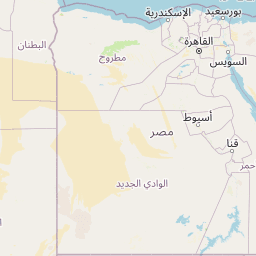
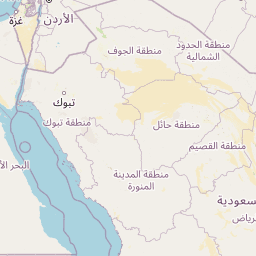
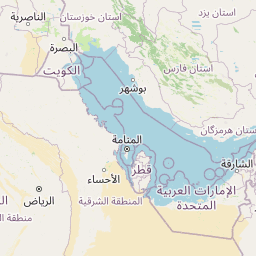

Map data © OpenStreetMap contributors, CARTO
- placeUr
Ancient Sumerian city on the Euphrates in southern Mesopotamia. Abraham's birthplace, called 'Ur of the Chalde…
- figureEzra
A priest and scribe "skilled in the Law of Moses," Ezra led the second return of exiles in 458 BC and devoted …
- customsTabernacles (Sukkot)
The seven-day autumn harvest festival. Israel leaves the house for a week of living in a sukkah — a temporary …
- eventEmergence of the Synagogue
During and after the Babylonian exile, with the Temple destroyed and the people scattered, Jewish communities …