

The Prophet Zephaniah, traditional depiction
Zephaniah
Prophet in the reign of Josiah, great-great-grandson of King Hezekiah. Announced a sweeping Day of the LORD against Judah and the nations and a promise that the LORD will sing over his people (Zep.3.17).
Zephaniah (Heb. Tsephanyah, “the LORD hides” or “the LORD treasures”) is the son of Cushi, son of Gedaliah, son of Amariah, son of Hezekiah — an unusually long ancestry that most evangelical commentators take to identify the royal Hezekiah of Judah, making the prophet a distant kinsman of King Josiah (Zep.1.1). His ministry falls early in Josiah’s reign, before the great covenant renewal of 622 BC, perhaps around 635–625 BC, when the Baal worship of Manasseh still lingered in Jerusalem. His book is dominated by the theme of the Day of the LORD, that day “of trouble and distress … of wasteness and desolation” (Zep.1.15) which the medieval Dies irae hymn took as its starting line. He pronounces judgment on the idolatry of Judah, on the surrounding nations from Philistia to Cush to Assyria, and finally on Jerusalem itself. But the book ends in unusual tenderness: a humble remnant will be left, the haughty will be removed, and “the LORD thy God in the midst of thee is mighty … he will rejoice over thee with singing” (Zep.3.17), one of the most striking pictures of divine joy in scripture.
“Zephaniah.” Atlas. Accessed 2026. https://fcbh-atlas.vercel.app/en/figure/zephaniah
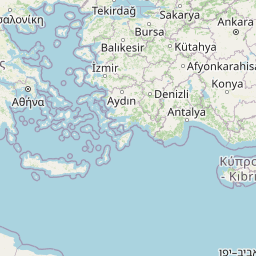
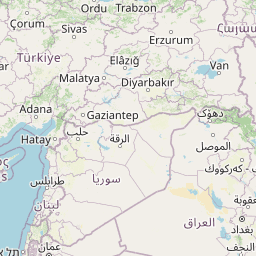
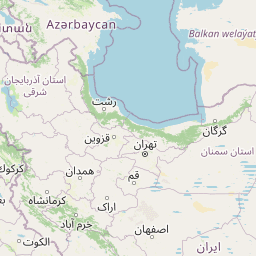
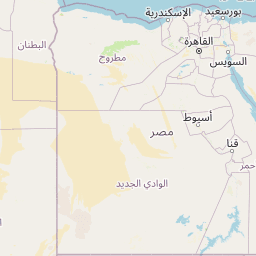
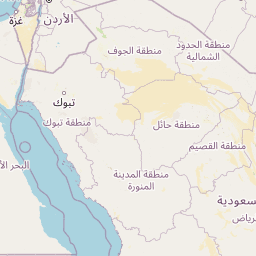
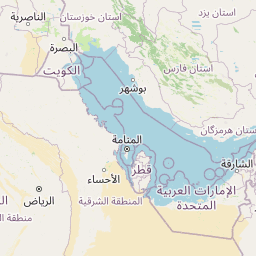
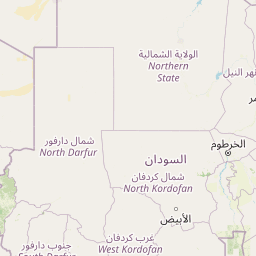
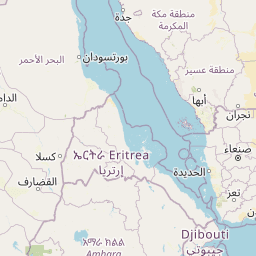
Map data © OpenStreetMap contributors, CARTO