
Mordecai
A Benjaminite exile in Susa who raised his orphaned cousin Esther and refused to bow to Haman. When Haman's decree threatened all Jews, Mordecai urged Esther: "Who knows whether you have not come for such a time as this?"
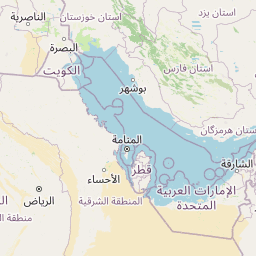
Mordecai was a Benjaminite exile living in Susa, the Persian capital, during the reign of Ahasuerus (Xerxes). He had raised his orphaned younger cousin Hadassah — known in Persia as Esther — as his own daughter. When Esther was taken into the royal harem, Mordecai stationed himself daily at the king's gate to monitor her welfare and continued to advise her from a distance. He also uncovered and reported a plot against the king's life, an act recorded in the royal chronicles but unrewarded at the time.
His refusal to bow before Haman, the king's chief minister, provoked Haman to plot the extermination of all Jews throughout the Persian empire. Mordecai mourned in sackcloth at the city gates and sent urgent word to Esther. When she hesitated, fearing to approach the king unsummoned, Mordecai replied with words that have echoed through the centuries: "Do not think to yourself that in the king's palace you will escape any more than all the other Jews. And who knows whether you have not come to the kingdom for such a time as this?" Esther acted. Haman was hanged on the gallows he had prepared for Mordecai. Mordecai was given Haman's ring and position, and the feast of Purim was established to commemorate the deliverance.
“Mordecai.” Atlas. Accessed 2026. https://fcbh-atlas.vercel.app/en/figure/mordecai
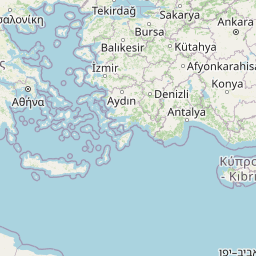
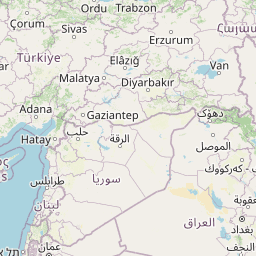
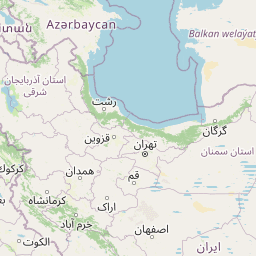
Map data © OpenStreetMap contributors, CARTO