
Adam
The first man, formed by God from the dust of the ground and given the breath of life (Gen.2.7). With his wife Eve he was placed in Eden, given dominion over the creatures, and fell into sin by eating from the forbidden tree.
Adam (’adam, “man, humankind,” linked to ’adamah, “ground”) is the first human being in the Genesis account. He is formed from the dust of the ground on the sixth day of creation, animated by the breath of God, placed in the garden of Eden to work it and keep it, and given authority to name the animals (Gen.1.26–28; Gen.2.7–20). From his side God forms Eve, his wife and counterpart. Together they are commissioned to be fruitful, multiply, and rule the earth as God’s image-bearers. Yielding to the serpent’s temptation, Adam eats from the tree of the knowledge of good and evil (Gen.3.6), bringing sin, shame, toil, and death into the human story. He is driven from the garden but receives the first promise of a redeemer through the seed of the woman (Gen.3.15). Adam fathers Cain, Abel, Seth, and other sons and daughters, and dies at 930 years (Gen.5.5). The New Testament treats him as a historical individual and as the federal head of the human race: through one man sin entered the world (Rom.5.12), and Christ is the “last Adam” who reverses the ruin (1Co.15.22; 1Co.15.45).
“Adam.” Atlas. Accessed 2026. https://fcbh-atlas.vercel.app/en/figure/adam
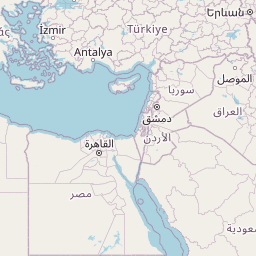
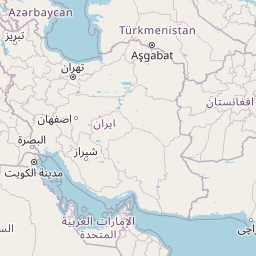
Map data © OpenStreetMap contributors, CARTO
- placeJerusalem
Capital of Judah on a ridge in the Judean hills at 750 m elevation. Site of the Temple. Jesus was crucified an…
- placeBethlehem
Small town 9 km south of Jerusalem. Birthplace of King David, and of Jesus Christ. Name means 'house of bread'…
- placeNazareth
Hill town in Lower Galilee, about 25 km west of the Sea of Galilee. The boyhood home of Jesus.
- placeGalilee
Northern region of ancient Israel, fertile and lake-fringed. Most of Jesus' ministry happened here.
- placeEgypt
Ancient kingdom of the Nile. Refuge of Abraham and Joseph, then a house of slavery, then the place from which …
- placeUr
Ancient Sumerian city on the Euphrates in southern Mesopotamia. Abraham's birthplace, called 'Ur of the Chalde…