

Daniel in the Lions’ Den, by Peter Paul Rubens, c. 1614–1616
Daniel
Judean noble taken to Babylon in the first deportation under Nebuchadnezzar in 605 BC. Trained for royal service, he rose to high office under Babylonian and Persian kings, interpreted Nebuchadnezzar’s dreams, survived the lions’ den under Darius,…
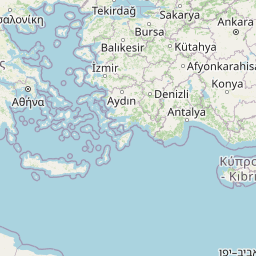
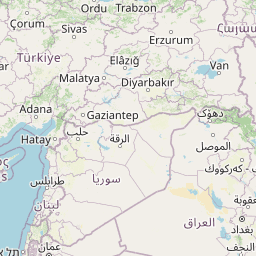
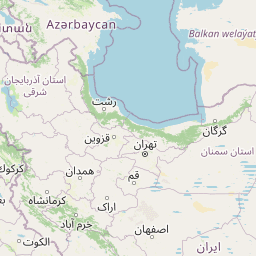
Daniel (Daniyyēl, “God is my judge”) was a Judean noble, perhaps of royal blood (Dan.1.3), deported to Babylon in 605 BC at Nebuchadnezzar’s first incursion into Judah. Selected with three companions (Hananiah, Mishael, Azariah — better known by their Babylonian names Shadrach, Meshach, and Abednego) for the imperial bureaucracy, he was educated in “the letters and language of the Chaldeans” for three years and held office across the careers of Nebuchadnezzar, Belshazzar, Darius the Mede, and Cyrus the Persian — a span of about seventy years. The first six chapters of his book are court tales in third person, mostly in Aramaic, recounting his refusal of the king’s food, the interpretation of the four-metal statue and the great tree, the writing on the wall at Belshazzar’s feast, and the night in the lions’ den. Chapters 7–12, mostly first person and back in Hebrew, are apocalyptic: the four beasts and the Ancient of Days, the ram and the goat, the seventy weeks, and the long final vision of “the time of the end.” Daniel is the most prominent figure in second-temple Jewish apocalyptic and a major source for the New Testament book of Revelation.
“Daniel.” Atlas. Accessed 2026. https://fcbh-atlas.vercel.app/en/figure/daniel
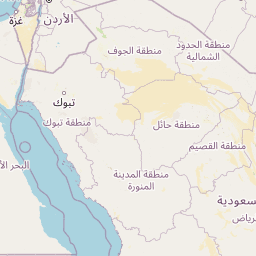
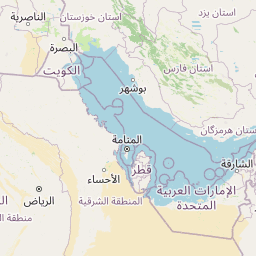
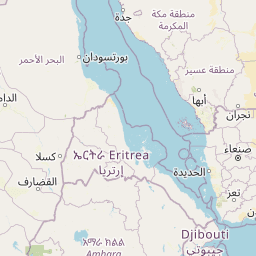
Map data © OpenStreetMap contributors, CARTO
%252520School%252520-%252520The%252520Prophet%252520Daniel%252520-%2525201430496.23%252520-%252520National%252520Trust.jpg&w=3840&q=75&dpl=dpl_4Yz8pXBGqYu4ggZKzeX4NxgpxHkC)
- placeJerusalem
Capital of Judah on a ridge in the Judean hills at 750 m elevation. Site of the Temple. Jesus was crucified an…
- placeBethlehem
Small town 9 km south of Jerusalem. Birthplace of King David, and of Jesus Christ. Name means 'house of bread'…
- placeNazareth
Hill town in Lower Galilee, about 25 km west of the Sea of Galilee. The boyhood home of Jesus.
- placeGalilee
Northern region of ancient Israel, fertile and lake-fringed. Most of Jesus' ministry happened here.
- placeJordan River
Long, narrow river flowing south from Mount Hermon to the Dead Sea. Israel crossed it to enter Canaan; Jesus w…
- placeEgypt
Ancient kingdom of the Nile. Refuge of Abraham and Joseph, then a house of slavery, then the place from which …