

Elijah Taken Up in a Chariot of Fire, mid-19th century print
Elijah
Tishbite prophet of the ninth century BC, active in the northern kingdom under Ahab and Jezebel. Confronted Baal worship on Mount Carmel (1Ki.18), raised the widow’s son at Zarephath, fled to Horeb to hear the still small voice,…
Elijah (’Eliyyahu, “my God is YHWH”) bursts into the narrative at 1 Kings 17 with no introduction beyond his town of origin: Tishbe in Gilead, east of the Jordan. The ninth-century BC northern kingdom under Omri’s dynasty had imported the Tyrian cult of Baal through Ahab’s wife Jezebel, and Elijah’s ministry is the prophetic counter-attack. He announces a drought, is fed by ravens at the brook Cherith and by a widow at Zarephath in Phoenicia, raises the widow’s son, and after three rainless years confronts 450 prophets of Baal on Mount Carmel in the famous contest of altars. Fire falls from heaven on his sacrifice and the rain returns. Threatened by Jezebel, he flees south to Beersheba, then forty days into the wilderness to Horeb (Sinai), where the LORD passes by in wind, earthquake, and fire — but is found in the qol demamah daqqah, the “still small voice” (1Ki.19). He anoints Hazael, Jehu, and Elisha as instruments of judgment and successor, then is taken up to heaven in a chariot and whirlwind of fire across the Jordan (2Ki.2). The final verses of the Old Testament promise his return before “the great and dreadful day of the LORD” (Mal.4.5–6); the New Testament identifies John the Baptist as his fulfilment (Mat.11.14).
“Elijah.” Atlas. Accessed 2026. https://fcbh-atlas.vercel.app/en/figure/elijah
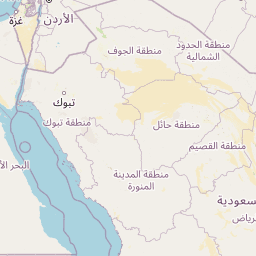
Map data © OpenStreetMap contributors, CARTO

Related entries
- placeJerusalem
Capital of Judah on a ridge in the Judean hills at 750 m elevation. Site of the Temple. Jesus was crucified an…
- placeBethlehem
Small town 9 km south of Jerusalem. Birthplace of King David, and of Jesus Christ. Name means 'house of bread'…
- placeNazareth
Hill town in Lower Galilee, about 25 km west of the Sea of Galilee. The boyhood home of Jesus.
- placeGalilee
Northern region of ancient Israel, fertile and lake-fringed. Most of Jesus' ministry happened here.
- placeJordan River
Long, narrow river flowing south from Mount Hermon to the Dead Sea. Israel crossed it to enter Canaan; Jesus w…
- placeEgypt
Ancient kingdom of the Nile. Refuge of Abraham and Joseph, then a house of slavery, then the place from which …