

Hezekiah spreads the Assyrian letter before the Lord (2 Kings 19:14), wood engraving, 1873
Hezekiah
Twelfth king of Judah. Smashed Ahaz's altars, cleansed the temple, kept the great Passover. Sennacherib's army withdrew after his prayer; the Lord added fifteen years to his life.
Hezekiah, son of Ahaz, became king at twenty-five and reigned twenty-nine years. 2 Kings 18:5-6 says, 'he trusted in the LORD, the God of Israel, so that there was none like him among all the kings of Judah after him, nor among those who were before him.' In the first month of his first year he reopened the doors of the temple of the LORD, summoned the priests and Levites, had them cleanse it of the defilements of Ahaz, reinstituted the burnt offering with trumpets and the song of David, and proclaimed a great Passover to which he invited even the remnant of the northern tribes after the fall of Samaria (2 Chronicles 29-30). He broke in pieces the bronze serpent Moses had made, which the people were burning incense to, and called it Nehushtan (2 Kings 18:4). In his fourteenth year Sennacherib of Assyria invaded Judah, took forty-six fortified cities (as Sennacherib's own annals corroborate), and shut Hezekiah up 'like a bird in a cage' in Jerusalem. The Rabshakeh harangued the walls in Hebrew, mocking trust in the LORD. Hezekiah took the threatening letter into the temple and spread it before the LORD; Isaiah brought back the word that not an arrow would touch the city. That night the angel of the LORD struck down 185,000 in the Assyrian camp; Sennacherib withdrew and was later assassinated by his sons in Nineveh (2 Kings 19:35-37). Hezekiah was struck with a fatal illness; on his prayer the LORD added fifteen years to his life and gave the shadow on the sundial of Ahaz as a sign (2 Kings 20). His one recorded failure was showing all his treasure to envoys of Merodach-baladan of Babylon, prompting Isaiah's prophecy that those treasures and his sons would be carried away to Babylon — fulfilled a century later. He also dug the Siloam tunnel to secure Jerusalem's water, recorded on the Siloam inscription discovered in 1880.
“Hezekiah.” Atlas. Accessed 2026. https://fcbh-atlas.vercel.app/en/figure/hezekiah
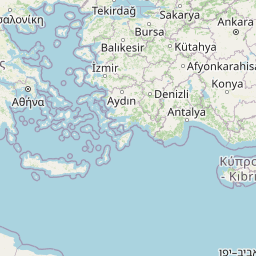
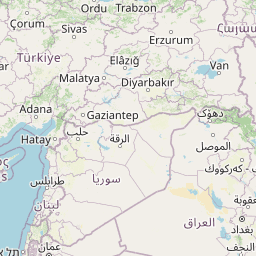
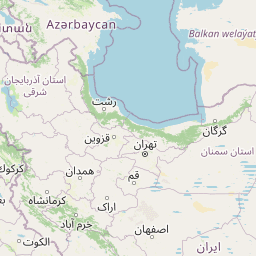
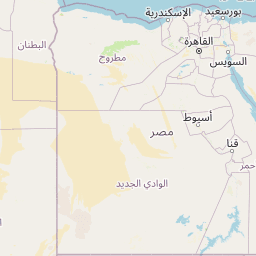
Map data © OpenStreetMap contributors, CARTO
- placeJerusalem
Capital of Judah on a ridge in the Judean hills at 750 m elevation. Site of the Temple. Jesus was crucified an…
- placeBethlehem
Small town 9 km south of Jerusalem. Birthplace of King David, and of Jesus Christ. Name means 'house of bread'…
- placeNazareth
Hill town in Lower Galilee, about 25 km west of the Sea of Galilee. The boyhood home of Jesus.
- placeGalilee
Northern region of ancient Israel, fertile and lake-fringed. Most of Jesus' ministry happened here.
- placeJordan River
Long, narrow river flowing south from Mount Hermon to the Dead Sea. Israel crossed it to enter Canaan; Jesus w…
- placeEgypt
Ancient kingdom of the Nile. Refuge of Abraham and Joseph, then a house of slavery, then the place from which …