
Isaiah
Eighth-century Jerusalem prophet, son of Amoz. Called by a throne-room vision (Isa.6), he ministered to Uzziah, Jotham, Ahaz, and Hezekiah and foretold the suffering Servant.
Isaiah (Heb. Yesha‘yahu, “the LORD saves”) is the son of Amoz and the great prophet of Judah in the second half of the eighth century BC. His ministry spans the reigns of four kings — Uzziah, Jotham, Ahaz, and Hezekiah (Isa.1.1) — roughly from 740 BC, the year of Uzziah’s death and his own commissioning vision, to the closing years of Hezekiah after 701. The opening of chapter 6 places his call in the temple at Jerusalem: he sees the LORD high and lifted up, hears the seraphim cry “Holy, holy, holy,” and answers, “Here am I; send me.” He counsels Ahaz during the Syro-Ephraimite war, urging trust in the LORD and giving the sign of Immanuel (Isa.7.14). He is the prophet most quoted in the New Testament: his prophecies of the virgin-born Immanuel, the child on whose shoulder the government will rest (Isa.9.6), the shoot from the stump of Jesse (Isa.11), and especially the suffering Servant of Isaiah 53 are read as direct anticipations of Jesus Christ. Evangelical scholarship affirms the unity of the book and the eighth-century authorship of the whole; later chapters address the future Babylonian exile from a prophetic vantage point. Tradition, preserved in the Babylonian Talmud and the apocryphal Martyrdom of Isaiah, records that he was sawn in two under Manasseh (Heb.11.37).
“Isaiah.” Atlas. Accessed 2026. https://fcbh-atlas.vercel.app/en/figure/isaiah
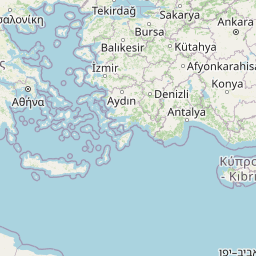
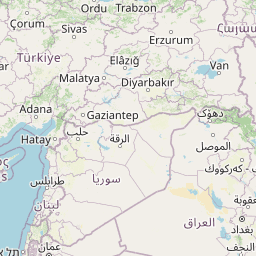
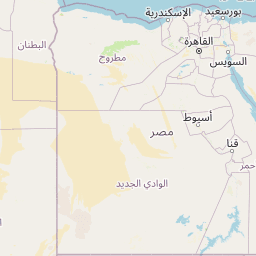
Map data © OpenStreetMap contributors, CARTO
- placeJerusalem
Capital of Judah on a ridge in the Judean hills at 750 m elevation. Site of the Temple. Jesus was crucified an…
- placeBethlehem
Small town 9 km south of Jerusalem. Birthplace of King David, and of Jesus Christ. Name means 'house of bread'…
- placeNazareth
Hill town in Lower Galilee, about 25 km west of the Sea of Galilee. The boyhood home of Jesus.
- placeGalilee
Northern region of ancient Israel, fertile and lake-fringed. Most of Jesus' ministry happened here.
- placeJordan River
Long, narrow river flowing south from Mount Hermon to the Dead Sea. Israel crossed it to enter Canaan; Jesus w…
- placeEgypt
Ancient kingdom of the Nile. Refuge of Abraham and Joseph, then a house of slavery, then the place from which …