
Ishmael
Firstborn son of Abraham and Hagar, named "God hears" by an angel. Though not the child of the covenant promise, God pledged to make him a great nation and the father of twelve princes.
Ishmael was born to Abraham by Hagar, Sarah's Egyptian servant, when Abraham was eighty-six years old. An angel announced his coming to Hagar at a spring in the desert, telling her to name the child Ishmael — "God hears" — because the LORD had heard her affliction. God later told Abraham he would make Ishmael fruitful and the father of twelve princes and a great nation, though the covenant would pass through Isaac.
After Isaac's birth, Sarah demanded that Hagar and Ishmael be sent away. Abraham sent them off with bread and water, and when the water ran out in the wilderness of Beersheba and Hagar sat away from the dying boy so she would not watch him die, God heard the child crying, opened Hagar's eyes to a well of water, and reaffirmed his promise. Ishmael lived in the wilderness of Paran, became an archer, and married an Egyptian woman. He died at 137 years old. In a quiet but significant detail, he and Isaac buried their father Abraham together at Machpelah — a reunion that closes his story in quiet dignity.
“Ishmael.” Atlas. Accessed 2026. https://fcbh-atlas.vercel.app/en/figure/ishmael
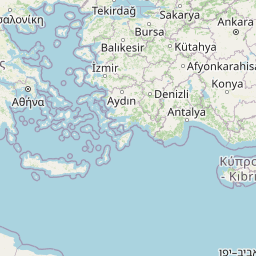
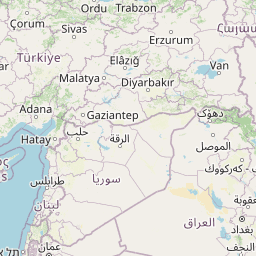
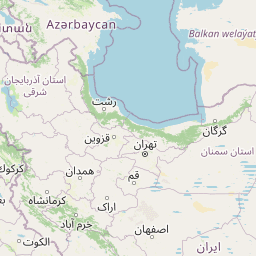
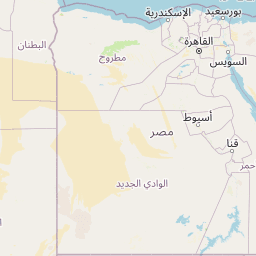
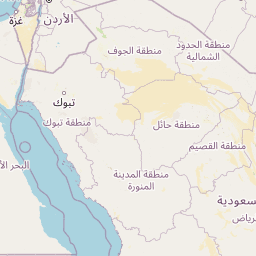
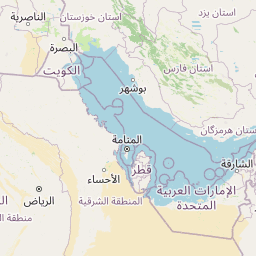
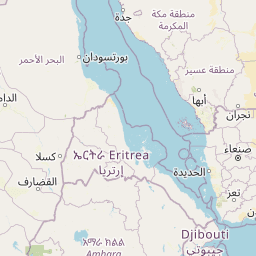
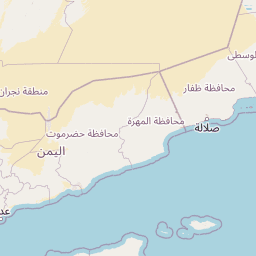
Map data © OpenStreetMap contributors, CARTO
- placeEgypt
Ancient kingdom of the Nile. Refuge of Abraham and Joseph, then a house of slavery, then the place from which …
- placeUr
Ancient Sumerian city on the Euphrates in southern Mesopotamia. Abraham's birthplace, called 'Ur of the Chalde…
- figureAbraham
Father of the Hebrew people. Called from Ur to Canaan and given the covenant promise. Lived around 2000 BC.
- customsFoot-washing
The hospitality act of washing the dust off a guest's feet on arrival. In a society of dusty roads and open sa…
- conceptCovenant
A binding agreement between two parties, sealed by a sign — a meal, a sacrifice, a mark on the body. Used thro…
- bookGenesis
First book of the Bible. Origin of the world, the flood, and the patriarchs. Tradition assigns authorship to M…