
Lot
Nephew of Abraham who traveled with him from Ur to Canaan. Lot chose the fertile Jordan plain at Bethel and settled in Sodom. Rescued by Abraham from four kings, he later fled Sodom as angels destroyed it. His wife looked back and became a pillar of salt (Gen.19).
Lot was the son of Haran and the nephew of Abraham, traveling with him from Ur of the Chaldeans to the land of Canaan (Gen.12.4). When their combined flocks and herds grew too large for the land, the two men agreed to part ways: Lot looked east and chose the well-watered plain of the Jordan, eventually settling in Sodom (Gen.13). His choice brought him into danger — he was captured when four kings raided the region, and Abraham mounted a daring rescue (Gen.14). When angels visited Sodom, Lot recognized their true nature and protected them from the violent men of the city. The angels then warned Lot to flee before God destroyed the cities of the plain with fire and sulfur (Gen.19). His wife looked back at the destruction and was turned into a pillar of salt. Second Peter 2.7 calls Lot a righteous man who was tormented by the wickedness around him. His daughters, believing civilization was ended, conceived children with him — the ancestors of the Moabites and Ammonites.
“Lot.” Atlas. Accessed 2026. https://fcbh-atlas.vercel.app/en/figure/lot
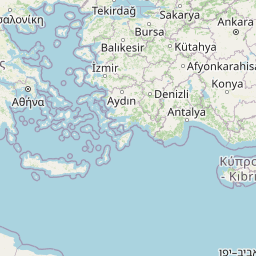
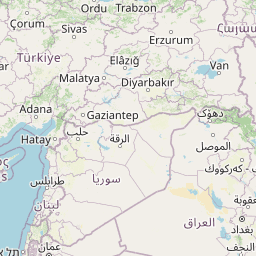
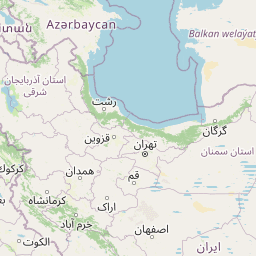
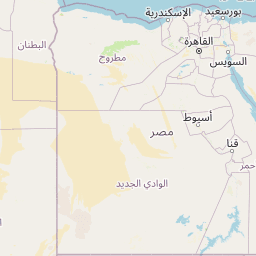
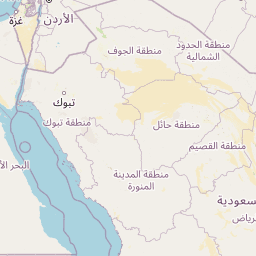
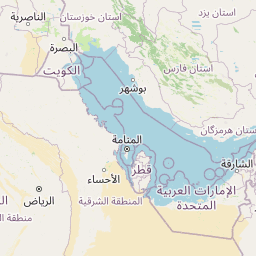
Map data © OpenStreetMap contributors, CARTO
- placeEgypt
Ancient kingdom of the Nile. Refuge of Abraham and Joseph, then a house of slavery, then the place from which …
- placeUr
Ancient Sumerian city on the Euphrates in southern Mesopotamia. Abraham's birthplace, called 'Ur of the Chalde…
- figureAbraham
Father of the Hebrew people. Called from Ur to Canaan and given the covenant promise. Lived around 2000 BC.
- customsFoot-washing
The hospitality act of washing the dust off a guest's feet on arrival. In a society of dusty roads and open sa…
- conceptCovenant
A binding agreement between two parties, sealed by a sign — a meal, a sacrifice, a mark on the body. Used thro…
- bookGenesis
First book of the Bible. Origin of the world, the flood, and the patriarchs. Tradition assigns authorship to M…