

The Prophet Malachi, traditional depiction
Malachi
Last of the writing prophets, c. 430 BC, contemporary with Nehemiah’s second visit. Rebuked priestly corruption and broken marriages, and promised the coming of Elijah before the great Day of the LORD (Mal.4.5).
Malachi (Heb. Mal’akhi, “my messenger”) closes the Old Testament canon roughly a century after the return from exile, perhaps around 430 BC, contemporary with Nehemiah’s second visit to Jerusalem (Neh.13). The temple has been rebuilt for almost a century, but the early enthusiasm of Haggai and Zechariah has given way to a tired and cynical religion: priests offer blemished animals on the altar (Mal.1.7–8), husbands divorce the wives of their youth to marry foreign women (Mal.2.11–16), tithes are withheld (Mal.3.8), and the people complain that it is vain to serve God (Mal.3.14). Malachi’s style is unique among the prophets: a series of disputations in which the LORD makes a charge, the people protest “Wherein?” and the LORD answers. The book is dominated by promise as well as rebuke: “the messenger of the covenant” will suddenly come to his temple (Mal.3.1); a refining fire awaits the sons of Levi; the sun of righteousness will arise with healing in his wings (Mal.4.2). The final words of the Hebrew prophetic canon promise that the LORD will send Elijah the prophet before the great and dreadful day of the LORD (Mal.4.5), a promise the New Testament identifies with the ministry of John the Baptist (Mat.11.14; Mat.17.10–13). After Malachi, four centuries of prophetic silence precede the opening of the Gospels.
“Malachi.” Atlas. Accessed 2026. https://fcbh-atlas.vercel.app/en/figure/malachi
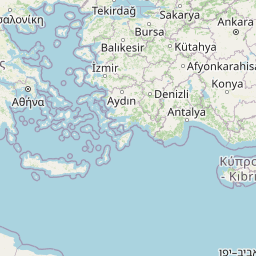
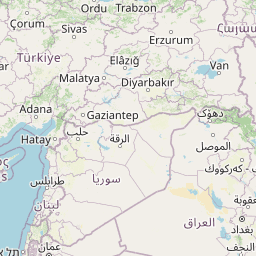
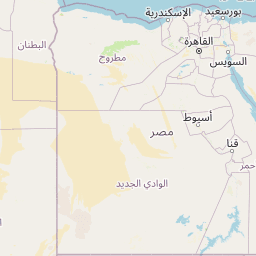
Map data © OpenStreetMap contributors, CARTO
- placeJerusalem
Capital of Judah on a ridge in the Judean hills at 750 m elevation. Site of the Temple. Jesus was crucified an…
- placeBethlehem
Small town 9 km south of Jerusalem. Birthplace of King David, and of Jesus Christ. Name means 'house of bread'…
- placeNazareth
Hill town in Lower Galilee, about 25 km west of the Sea of Galilee. The boyhood home of Jesus.
- placeGalilee
Northern region of ancient Israel, fertile and lake-fringed. Most of Jesus' ministry happened here.
- placeJordan River
Long, narrow river flowing south from Mount Hermon to the Dead Sea. Israel crossed it to enter Canaan; Jesus w…
- placeEgypt
Ancient kingdom of the Nile. Refuge of Abraham and Joseph, then a house of slavery, then the place from which …