

King Manasseh in exile, by Maerten de Vos, c. 1550–1603
Manasseh
Thirteenth king of Judah. Longest reign of any Hebrew king. Filled Jerusalem with bloodshed and idols, but in Assyrian captivity humbled himself and was restored.
Manasseh, son of Hezekiah, became king at twelve and reigned fifty-five years — the longest reign of any king of Judah or Israel. He undid everything his father had done. He rebuilt the high places, raised altars for Baal and an Asherah, worshiped and served all the host of heaven, built pagan altars in both temple courts, used fortune-tellers, mediums, and necromancers, made his son pass through the fire in the Valley of the Son of Hinnom, and set up a carved image of Asherah in the temple itself (2 Kings 21:2-7). 2 Kings 21:16 adds, 'Manasseh shed very much innocent blood, till he had filled Jerusalem from one end to another.' Jewish tradition holds that Isaiah was sawn in two under his reign (cf. Hebrews 11:37). 2 Chronicles 33 records what 2 Kings does not: that the king of Assyria — the Chronicler says 'the commanders of the army of the king of Assyria' — captured Manasseh, bound him with bronze chains, and brought him to Babylon. In his distress Manasseh entreated the favour of the LORD and humbled himself greatly. The LORD was moved by his prayer, restored him to Jerusalem, and Manasseh knew that the LORD was God. He afterwards removed the foreign gods and the image from the temple, threw them out of the city, restored the altar of the LORD, and commanded Judah to serve the LORD God of Israel. The people, however, still sacrificed at the high places. He was buried in his own house, in the garden of Uzza (2 Kings 21:18; 2 Chronicles 33:20).
“Manasseh.” Atlas. Accessed 2026. https://fcbh-atlas.vercel.app/en/figure/manasseh
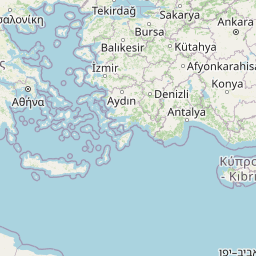
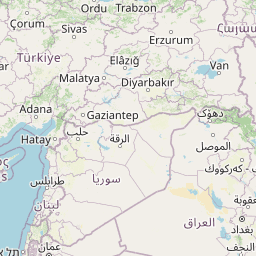
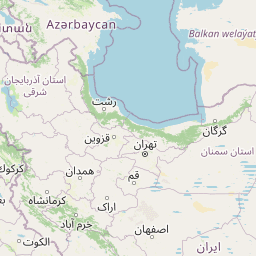
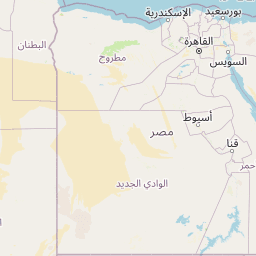
Map data © OpenStreetMap contributors, CARTO
- placeJerusalem
Capital of Judah on a ridge in the Judean hills at 750 m elevation. Site of the Temple. Jesus was crucified an…
- placeBethlehem
Small town 9 km south of Jerusalem. Birthplace of King David, and of Jesus Christ. Name means 'house of bread'…
- placeNazareth
Hill town in Lower Galilee, about 25 km west of the Sea of Galilee. The boyhood home of Jesus.
- placeGalilee
Northern region of ancient Israel, fertile and lake-fringed. Most of Jesus' ministry happened here.
- placeJordan River
Long, narrow river flowing south from Mount Hermon to the Dead Sea. Israel crossed it to enter Canaan; Jesus w…
- placeEgypt
Ancient kingdom of the Nile. Refuge of Abraham and Joseph, then a house of slavery, then the place from which …