
Thomas
One of the twelve apostles, also called Didymus ("Twin"). He refused to believe the resurrection without touching the wounds, then when Jesus appeared said "My Lord and my God" — the climactic confession of John's Gospel.
Thomas, also called Didymus (the Twin), appears at several crucial moments in John's Gospel in ways that illuminate both his character and his theological role. When Jesus proposed returning to Judea where people had tried to stone him, Thomas said to the other disciples, "Let us also go, that we may die with him" — a bleak courage. At the Last Supper, when Jesus said the disciples knew the way, Thomas objected plainly: "Lord, we do not know where you are going. How can we know the way?" The question drew the answer, "I am the way, and the truth, and the life."
Thomas was absent when Jesus first appeared to the disciples after the resurrection. When told about the appearance, he said he would not believe without touching the nail marks and the wound in Jesus' side. A week later Jesus appeared again and invited Thomas to do exactly that. Thomas did not need to touch; he said, "My Lord and my God" — the most direct confession of Jesus' divinity in any of the Gospels, arriving at the climax of John's narrative. Jesus' response, "Have you believed because you have seen me? Blessed are those who have not seen and yet have believed," extends the blessing across every subsequent generation. Tradition holds that Thomas eventually carried the gospel to India.
“Thomas.” Atlas. Accessed 2026. https://fcbh-atlas.vercel.app/en/figure/thomas
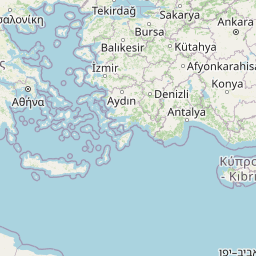
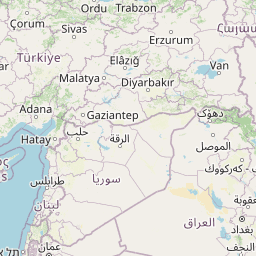
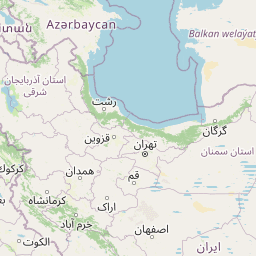
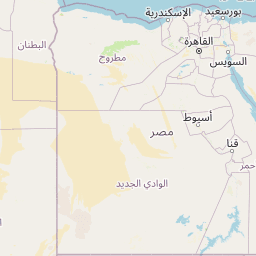
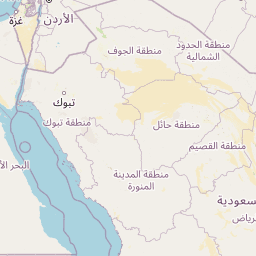
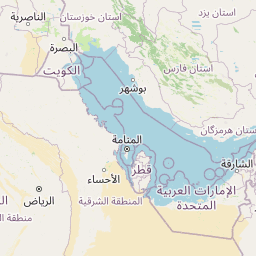
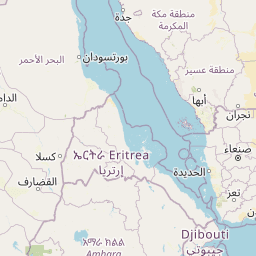
Map data © OpenStreetMap contributors, CARTO
- placeJerusalem
Capital of Judah on a ridge in the Judean hills at 750 m elevation. Site of the Temple. Jesus was crucified an…
- placeNazareth
Hill town in Lower Galilee, about 25 km west of the Sea of Galilee. The boyhood home of Jesus.
- placeGalilee
Northern region of ancient Israel, fertile and lake-fringed. Most of Jesus' ministry happened here.
- figureMary
Young Galilean woman, betrothed to Joseph the carpenter, who was visited by the angel Gabriel and bore Jesus C…
- customsFoot-washing
The hospitality act of washing the dust off a guest's feet on arrival. In a society of dusty roads and open sa…
- figureIsaiah
Eighth-century Jerusalem prophet, son of Amoz. Called by a throne-room vision (Isa.6), he ministered to Uzziah…