

The Prophet Habakkuk, mosaic detail, Florence Baptistery, 13th c.
Habakkuk
Late seventh-century Judean prophet who questioned the LORD about violence and was told that the just shall live by faith (Hab.2.4). His book ends in a great song of trust (Hab.3).
Habakkuk (Heb. Chavaqquq, perhaps “embrace”) is a prophet of Judah whose three-chapter book reads as a dialogue between the prophet and the LORD. The setting, given by the rise of the “Chaldeans” mentioned in chapter 1, points to the last years before Babylon’s sack of Jerusalem in 586 BC — most evangelical commentators place him around 615–605 BC, late in Josiah’s reign or under Jehoiakim. He opens with a complaint: how long will the LORD ignore the violence and lawlessness inside Judah (Hab.1.2–4)? The LORD answers that he is raising up the Chaldeans, “that bitter and hasty nation,” to execute judgment (Hab.1.6). The prophet recoils with a second complaint: how can a holy God use a more wicked nation as the instrument? The LORD’s reply is the famous theme verse of the book: “the soul which is lifted up is not upright in him: but the just shall live by his faith” (Hab.2.4), quoted three times in the New Testament (Rom.1.17; Gal.3.11; Heb.10.38) and the spark of the Reformation. Chapter 2 announces five woes on the proud oppressor, and chapter 3 is a great psalm-like song with musical notations: “Although the fig tree shall not blossom … yet I will rejoice in the LORD” (Hab.3.17–18).
“Habakkuk.” Atlas. Accessed 2026. https://fcbh-atlas.vercel.app/en/figure/habakkuk

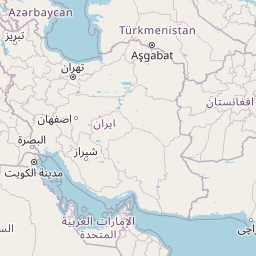
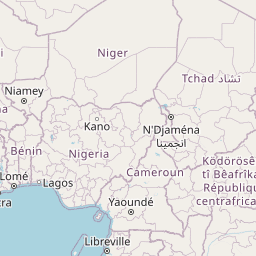
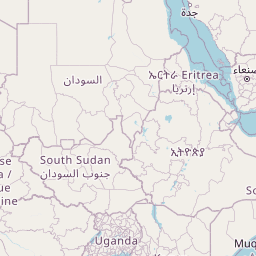
Map data © OpenStreetMap contributors, CARTO
- placeMount Sinai
Mountain in the southern Sinai peninsula where Moses received the Ten Commandments and the Torah from God.
- figureAbraham
Father of the Hebrew people. Called from Ur to Canaan and given the covenant promise. Lived around 2000 BC.
- figureMoses
Hebrew prophet who led Israel out of Egypt and received the Law on Mount Sinai. Lived around 1300 BC.
- figurePaul
Pharisee from Tarsus who persecuted the early church, then encountered the risen Jesus on the road to Damascus…
- conceptCovenant
A binding agreement between two parties, sealed by a sign — a meal, a sacrifice, a mark on the body. Used thro…
- figureHosea
Eighth-century prophet to the northern kingdom, son of Beeri. Commanded to marry the unfaithful Gomer as a liv…